
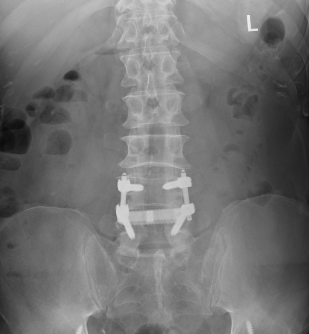
At the Orthopaedic Institute of Ohio, we are committed to delivering the most advanced and effective treatment options for spinal conditions. We are proud to introduce Prone Transpsoas Surgery—a groundbreaking, minimally invasive spinal fusion technique now available in Lima, Ohio, and surrounding communities. This innovative approach offers numerous benefits, including faster recovery, improved spinal alignment, and enhanced neurological strength and comfort.
What is Prone Transpsoas Lateral Interbody Fusion (PTP LIF) Surgery?
Prone Transpsoas Surgery is a cutting-edge spinal fusion procedure designed to treat conditions such as spinal stenosis, nerve compression, and spondylolisthesis with minimal disruption to surrounding muscles and tissues.
Unlike traditional lateral spine fusion methods, this approach allows the surgeon to access the spine from the side of the body over the iliac crest, while the patient is lying face down (prone). This positioning enhances surgical precision and spinal alignment.
The surgery involves removing the damaged intervertebral disc and inserting a cage or spacer between the vertebrae to promote bone fusion. Titanium rods and screws stabilize the area for optimal healing.
Why Is Prone Positioning Important in Spine Surgery?
Prone (face down) positioning during spinal fusion surgery provides critical advantages:
- Natural Spine Alignment: Promotes lordotic curvature for better balance and stability.
- Reduced Risk of Injury: Allows abdominal organs to fall forward, minimizing the risk of vascular or bowel injury.
- Enhanced Surgical Accuracy: Prevents unintended spine movement, making the procedure safer and more controlled.
Who Can Benefit from Prone Transpsoas Surgery?
This technique is suitable for patients with:
- Nerve compression
- Low-grade spondylolisthesis
- Spinal stenosis
- Recurrent disc herniation or stenosis after previous surgery
- Nonunions in patients with prior spinal fusion procedures
Dr. Fumich will perform a comprehensive evaluation, including imaging and a health review, to determine if this procedure is right for you.
What Makes Prone Transpsoas Surgery Unique?
Compared to traditional spine surgery methods, this technique offers:
- Minimally Invasive Spine Surgery: Smaller incisions mean less soft tissue damage and faster recovery.
- Advanced Navigation Technology: Uses real-time imaging (X-ray C-arm) and computer-assisted tools for accurate hardware placement.
- Improved Outcomes: Patients often experience better long-term mobility and reduced pain due to muscle preservation.
What to Expect During Prone Transpsoas Surgery
This procedure typically involves three small incisions:
- A 2-inch incision over the hip (iliac crest) for spinal access.
- Two small incisions on the back for placing surgical instrumentation and using computer-assisted navigation.
These small incisions significantly reduce postoperative pain and promote a quicker return to daily activities. The procedure uses an intervertebral disc spacer (fusion cage) and titanium rods and screws to stabilize the spine and encourage healing.
Recovery & Post-Surgery Lifestyle
After surgery:
- Avoid bending, lifting, and twisting during the early recovery phase.
- Most patients resume driving within two weeks, once off pain medications.
- Many report immediate nerve pain relief, sometimes the same day as surgery.
Short-Term Benefits:
- Faster recovery from smaller incisions
- Reduced soft tissue damage
Long-Term Benefits:
- Better spinal mobility and strength
- Muscle preservation for enhanced quality of life
Am I a Candidate for Prone Transpsoas Surgery?
A personalized assessment including medical history, imaging, and anatomical considerations will determine your eligibility. Certain limitations—such as vascular irregularities or challenges in accessing specific levels (e.g., L5-S1)—may affect candidacy.
Frequently Asked Questions (FAQ) About Prone Transpsoas Surgery
1. How is Prone Transpsoas Surgery different from traditional spinal fusion?
Prone Transpsoas Surgery uses a side-body approach while the patient lies face down. This improves spinal alignment and reduces soft tissue damage, leading to quicker recovery compared to traditional fusion methods.
2. Is Prone Transpsoas Surgery safe?
Yes, this technique is designed to be minimally invasive and uses advanced imaging and computer-guided navigation for optimal precision and safety.
3. How long does recovery take?
While individual recovery times vary, many patients return to light activities within 2–4 weeks and experience significant pain relief almost immediately post-op.
4. Are there risks or complications?
As with any surgical procedure, there are risks, including infection, nerve damage, or implant issues. However, the prone approach significantly reduces many common risks found in traditional surgeries.
5. Will insurance cover this procedure?
Most insurance plans cover spinal fusion surgeries, but coverage can vary. Our team can assist you with insurance verification and preauthorization.
6. How do I schedule a consultation?
You can request an appointment with Dr. Fumich at any of his convenient office locations across Northwest and West Central Ohio.
Learn More About Minimally Invasive Spine Surgery in Lima, Ohio
If you’re ready to explore how Prone Transpsoas Surgery can improve your quality of life, schedule a consultation with Dr. Fumich today.